How Do Porta Potties Work?
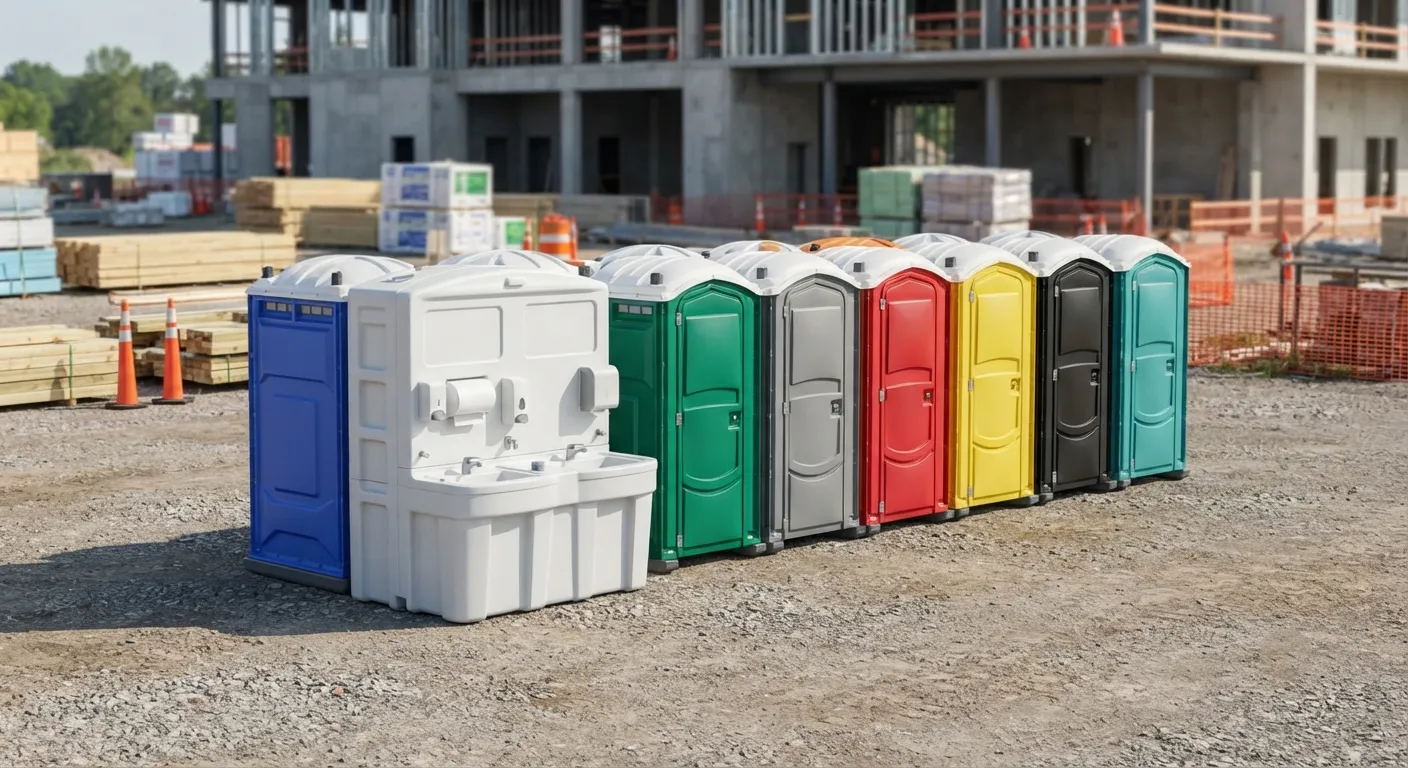
The design is simple on purpose. A molded plastic shell, about 44 by 48 inches on the ground and 92 inches tall, sits over a sealed holding tank. Waste drops into the tank, not into any drain, so the unit works anywhere: a gravel lot in Wellington, a backyard in Royal Palm Beach 5.7 miles northeast, or a fenced construction pad with no water line run yet. The chemical in the tank isn't just for smell. It's a blend that liquefies solids and slows bacterial odor production between service visits. ANSI/PSAI Z4.3, the industry service standard, sets one visit per week as the baseline for units seeing up to 10 users across a 40 hour week. Busier sites need more frequent pumping, which is why a portable restroom rental for a weekend wedding gets serviced differently than one parked on a job site for months. Ventilation vents near the roofline keep air moving so the space doesn't feel sealed. Hand sanitizer dispensers are usually mounted inside the door, though that's separate from a real handwash station.
How Does a Portable Sink Work?
A portable sink is a self-contained unit with its own fresh water tank, a foot pump or hand pump to bring water to the faucet, and a gray water tank underneath to catch runoff. Nothing connects to city water or a drain line. Under 29 CFR 1910.141(d)(2), a compliant handwashing setup needs soap and a way to dry hands, towels or an air dryer; hand sanitizer alone doesn't satisfy that rule. That's the gap a lot of job sites miss until an inspector points it out. A handwashing station rental solves it directly, and pairing one with a portable sink rental covers crews doing food prep or working with chemicals. If your crew is applying paints, coatings, herbicides or insecticides, OSHA 1926.51(f)(1) requires washing facilities for exactly that kind of contaminant exposure, not just a general good-hygiene rule. Check the handwashing station requirements page before you assume a sanitizer bottle covers you.
How Do Flushable Porta Potties Work?
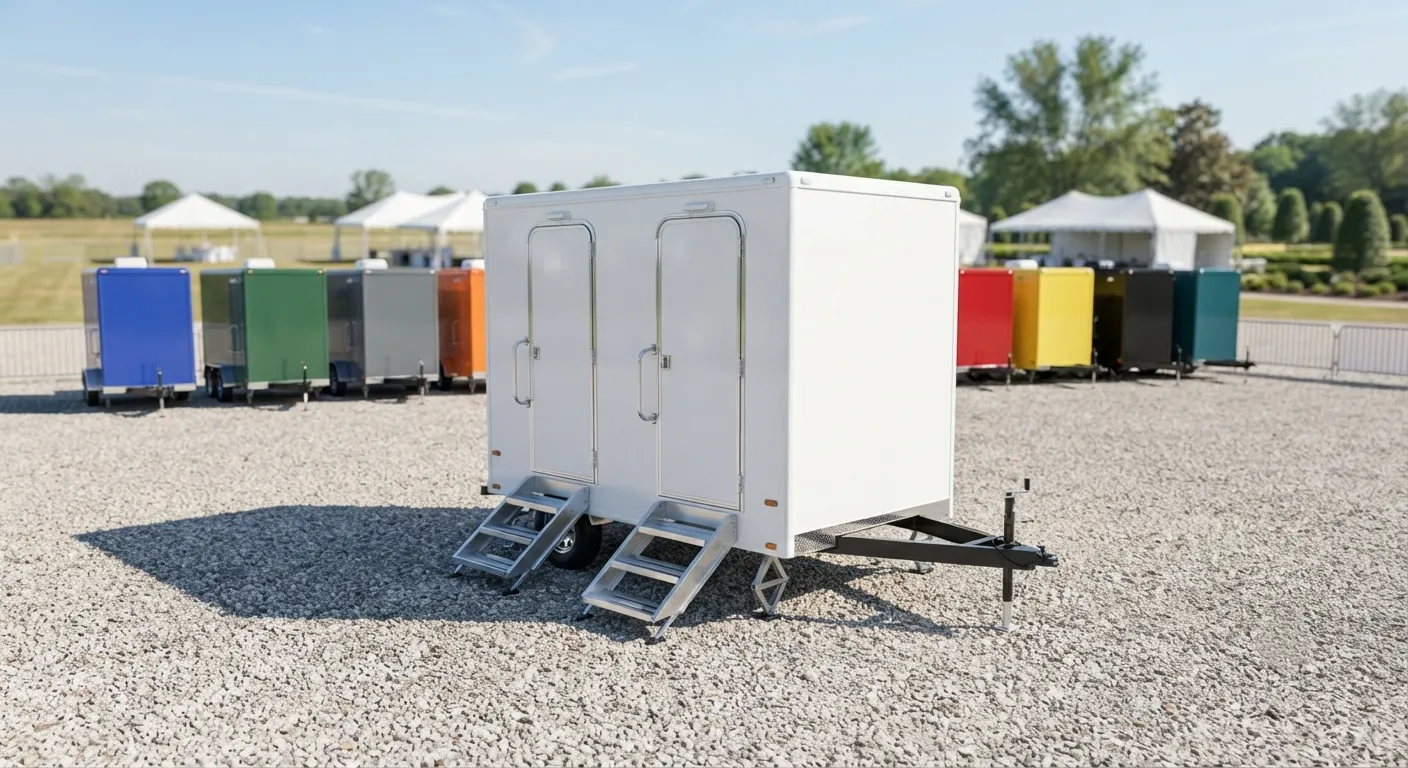
A deluxe flushable unit uses a small onboard fresh water reservoir and a foot pump or battery pump to push a measured rinse into the bowl after use, moving waste into the holding tank below. It still isn't tied to plumbing. It just adds a flush cycle and usually a hand sanitizer or small sink built into the same shell. That's the difference between a standard porta potty rental and a deluxe flushable porta potty: more comfort, same sealed-tank principle underneath. For sites needing full plumbing, running water, and multiple stalls, a restroom trailer rental is the next step up, with options from a 2 stall restroom trailer to an 8 stall restroom trailer depending on headcount. Weddings near Wellington often go this route; check wedding restroom rental or event restroom rental for guest-facing setups. An ADA accessible porta potty works the same way internally but meets ADA Standards 304.3.1, a 60 inch turning circle, and ADA Standards 404.2.3, a 32 inch minimum door opening, so wheelchair users can maneuver inside.
Why Do Construction Workers Need Porta Potties On Site?
OSHA 1926.51(c) sets the ratio: one toilet for 20 workers or fewer, then one toilet and one urinal per 40 workers as the crew grows past that, scaling again at 200 or more. A construction worker running to a porta potty across a half-acre lot isn't optional planning, it's a numbers problem tied straight to headcount. Use the how many porta potties do I need guide to size a job accurately, and see OSHA portable toilet requirements for the full breakdown by crew size. Wellington sites often also need temporary fencing around the unit cluster and a handwashing station rental nearby to round out sanitation. For agricultural crews doing hand labor, OSHA 1928.110 sets a similar bar: one facility per 20 employees, reachable within a quarter mile walk, which matters for farm and agricultural restrooms work around Wellington's equestrian and farm properties.
| unit | day | week | month |
|---|---|---|---|
| standard | $100-$350 | $130-$500 | $125-$325 |
| deluxe | $85-$1200 | $150-$290 | - |
| ada | $200-$400 | $250-$500 | - |
See porta potty rental cost and porta potty rental per day for more on what drives the range, or monthly porta potty rental for longer jobs.
Do porta potty chemicals hurt septic systems?
No, because porta potties don't connect to a septic system at all. The blue chemical stays inside the sealed holding tank and gets pumped out with the waste, not discharged into soil or a drain field. Septic tank cleaning chemicals are a separate product entirely, used inside home septic systems, not portable units.
How often does a residential septic tank need pumping?
A typical residential septic tank is pumped every 3 to 5 years, depending on tank size and household size. Warning signs between pumpings include slow drains and wet spots near the drain field. See how often to pump a septic tank and septic tank warning signs for specifics.
Can I find portable toilet chemicals near me?
Wellington Porta Pros handles chemical dosing as part of every service visit, so you don't need to source or handle it yourself. Units get restocked with deodorizer and holding tank treatment on the same trip as pumping, whether it's a weekly job site route or a one-time event.
How do camping porta potties work?
Camping units work the same sealed-tank way as job site units, just smaller and easier to place on uneven ground. See camping porta potty options for tank size and placement near tent sites or RV pads.
Are portable toilets serviced on a fixed schedule?
Yes, typically weekly under the ANSI/PSAI Z4.3 baseline, though high-traffic sites get serviced more often. Check how often are porta potties cleaned for the details behind that schedule.
Next step
Get a delivery date
Tell us the address, the dates and the headcount. We size the order and confirm the route.