
How many restrooms does a Wellington farm need?
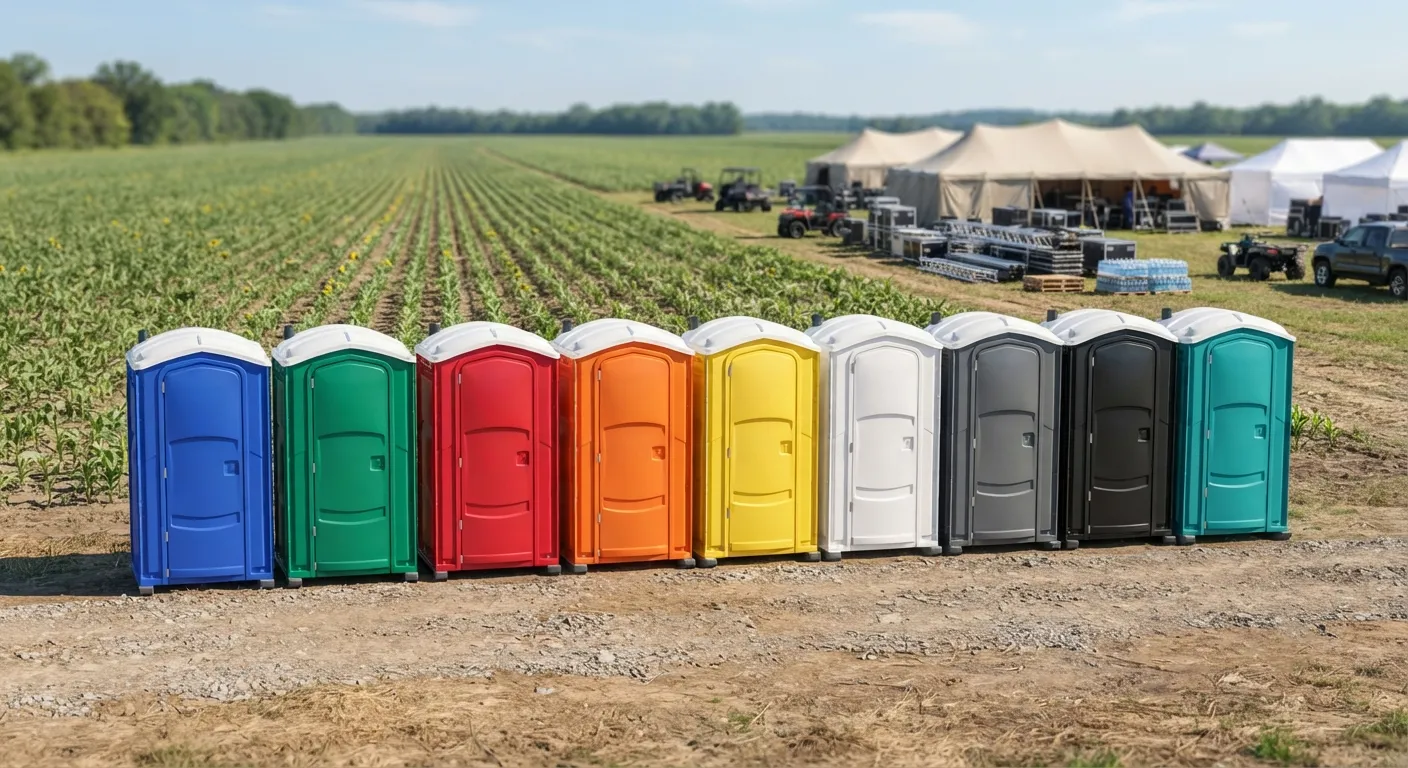
OSHA 1928.110 sets the baseline for agricultural operations: one toilet and handwashing facility per 20 hand-labor employees, positioned within a quarter mile walk or a five minute walk of wherever people are working. That is different from the construction standard, OSHA 1926.51(c), which uses worker-count bands instead of a distance rule; farms and stables fall under the agricultural rule, not the construction one. A crew of 15 pulling weeds in a far paddock still needs a unit close enough to reach fast, not one parked by the barn a half mile off. Wellington's mix of small horse farms and larger equestrian operations means the right count varies a lot by acreage and crew size, and our how many porta potties do I need guide walks through the math for spread-out sites. Most farms do fine with a standard porta potty rental, though grooms and stable staff working long shifts near show barns often want something closer to an event restroom rental setup near the wash racks. Water matters too: OSHA 1926.51(a)(1) requires an adequate supply of potable water at any place of employment, and that applies to farm labor as much as job sites. If your operation runs seasonal help during show season, our emergency porta potty rental page covers fast turnaround when crew size jumps overnight.
What kind of unit works best on farm ground?
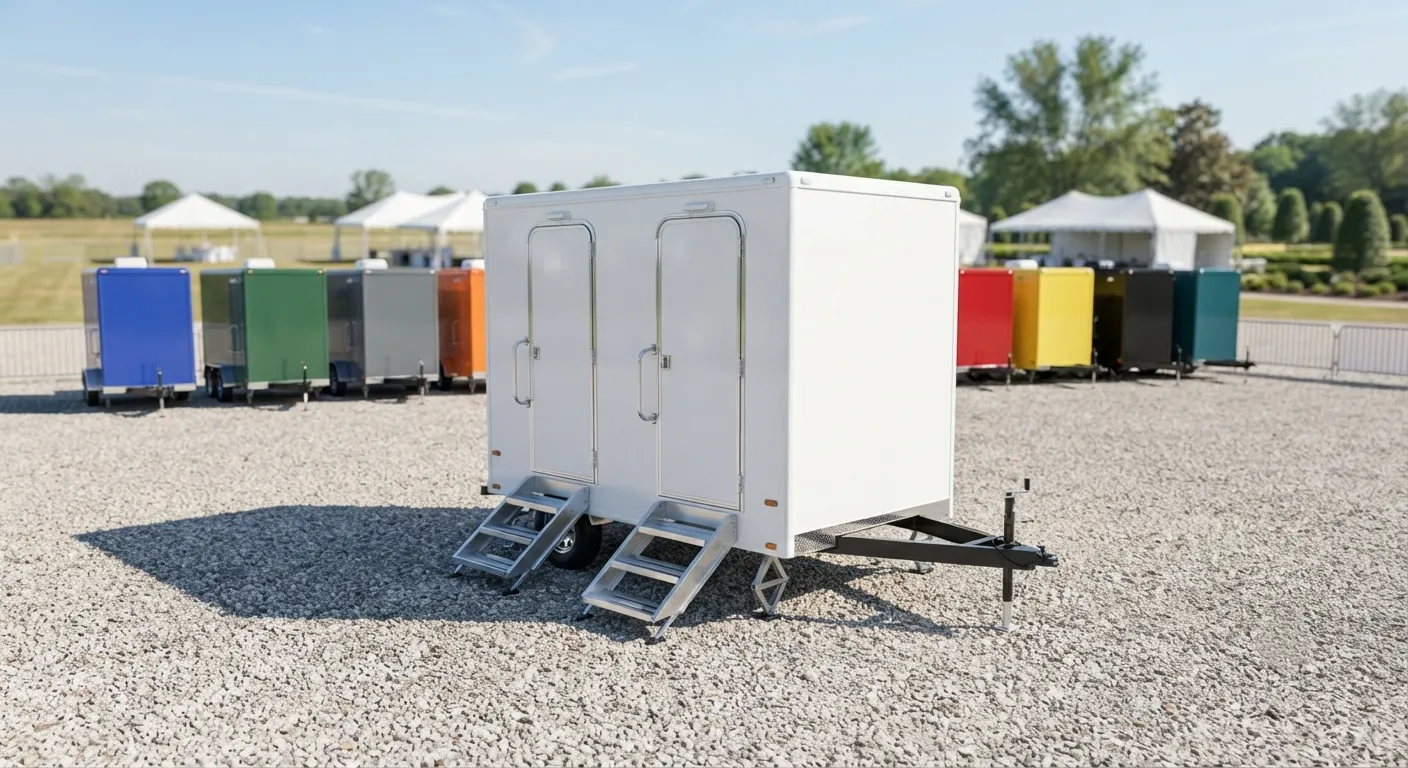
A standard unit needs stable footing, not perfectly flat concrete, and most pasture or gravel pads work fine as long as the ground holds the roughly 44 by 48 inch footprint without sinking. The unit itself stands about 92 inches tall and holds a 60 to 70 gallon tank, enough for a small labor crew across a standard weekly service interval. ANSI/PSAI Z4.3 sets one service visit per week as the baseline for up to 10 users over a 40 hour week, which fits most small farm crews, though bigger equestrian operations with grooms, trainers and seasonal labor often need twice-weekly service instead. For handwashing, 29 CFR 1910.141(d)(2) requires soap and towels or a hand-drying device at wash stations; sanitizer alone does not meet that standard, so we pair units with real handwashing station rental setups rather than gel dispensers. Farms that also spray herbicides or pesticides fall under OSHA 1926.51(f)(1), which requires washing facilities specifically for workers applying paints, coatings, herbicides or insecticides. If your crew handles chemical spraying, that is a separate washing requirement from general sanitation, and it is worth setting up a dedicated portable sink rental near the mixing area. Larger operations running crews of 40 or more sometimes upgrade to a 2 stall restroom trailer for shared bunkhouse or barn crews instead of scattering single units.
Do farms need septic or holding tank service too?
Most working farms in Wellington already run a septic system for the main house or barn office, and a typical residential tank gets pumped every 3 to 5 years depending on tank size and household or crew load. Farms with commercial kitchens, a concession stand at a fairground event, or a wash-down area for food prep equipment should watch for grease buildup separately; a grease interceptor needs pumping once fats, oils, grease and solids hit 25 percent of the liquid depth, which our grease trap pumping crews check on routine visits. If your farm is far from municipal sewer, a holding tank rental can cover temporary labor housing or seasonal worker trailers without touching the main septic system. Watch for warning signs like slow drains or standing water near the drain field, covered on our septic tank warning signs page, and schedule ahead rather than waiting for a backup during peak season. For farms closer to Royal Palm Beach, about 5.7 miles northeast of central Wellington, or out toward Greenacres, roughly 10.4 miles east, our septic pumping service covers the same radius as our restroom routes, and our service areas page lists coverage in full.
| unit | duration | typical price |
|---|---|---|
| standard | week | $200 |
| standard | month | $200 |
| septic | day | $250 |
Rates fall within the ranges shown; a full breakdown lives on our porta potty rental cost and septic tank pumping cost pages.
How far in advance should I book restrooms for a farm event?
Book two to three weeks out for planned events like a farm tour or open barn day, sooner during show season when equestrian venues across Wellington book up fast. Emergency needs get same-day attention through our emergency porta potty rental service, but planned bookings always get better placement.
Can I put a portable toilet near livestock or feed storage?
Yes, but keep it upwind and off the direct feed path, with stable, firm ground under it per general placement practice. Our porta potty placement guide covers footing and spacing details that matter more on working farmland than on a paved lot.
Do I need an ADA unit for farm workers or visitors?
If the public visits, such as a farm stand or agritourism event, ADA Standards section 213.2 requires at least one accessible unit in any cluster, even a small one. Our ADA accessible porta potty page covers dimensions and clear floor space.
What about handwashing for pesticide or herbicide crews?
OSHA 1926.51(f)(1) requires washing facilities where employees apply pesticides, herbicides, paints or coatings, separate from general toilet sanitation rules. Pair a hand sanitizer station rental with real soap-and-water washing to stay compliant, since sanitizer alone will not satisfy the standard.
How close does a restroom need to be to the work area?
OSHA 1928.110 calls for placement within a quarter mile walk of agricultural workers, which usually works out to a five minute walk at most. Spread-out Wellington farms often need two or three stations instead of one central unit to meet that distance.
Next step
Get a delivery date
Tell us the address, the dates and the headcount. We size the order and confirm the route.